Deciding how to allocate a wellbeing budget has never been more challenging. Budgets are under pressure, employee needs are complex, and leadership teams are rightly asking harder questions about value, impact and return.
So, how do organisations currently decide where to invest their wellbeing budget?
The organisations seeing the greatest return are doing something different. They are using insight before they spend, not after.
5 Ways Insight Protects Your Wellbeing Budget
Here are five ways insight protects your wellbeing budget and makes it work harder from day one.
1. Insight prevents scattergun spending
A common mistake with a wellbeing budget is trying to cover everything. Multiple initiatives, multiple themes, multiple platforms, they are all well-intended, but often disconnected. This approach spreads the budget thinly and makes the impact difficult to measure.
Insight allows organisations to identify:
With this understanding, wellbeing investment becomes focused rather than fragmented. Fewer initiatives, better aligned, with clearer outcomes.

2. Data shifts wellbeing from reactive to preventative
Without insight, wellbeing spend often reacts to what’s loudest: rising absence, burnout conversations, or external trends. With data, organisations can spot patterns early.
Health metrics, behavioural insights and engagement data reveal risks before they become costly problems. This allows wellbeing budgets to be used preventatively, supporting employees earlier, more simply and more effectively.
Prevention costs less than recovery. Insight makes that possible.
3. Insight strengthens confidence in decision-making
One of the biggest challenges for leaders managing a wellbeing budget is confidence.
Data-led wellbeing strategies give leaders a clear rationale for spending. Decisions are no longer based on assumptions or popularity, but on evidence.
This builds confidence not just at the board level, but across finance, HR and operational teams, making wellbeing investment easier to approve, protect and sustain.
In practice, this kind of insight doesn’t need to be complex or intrusive.
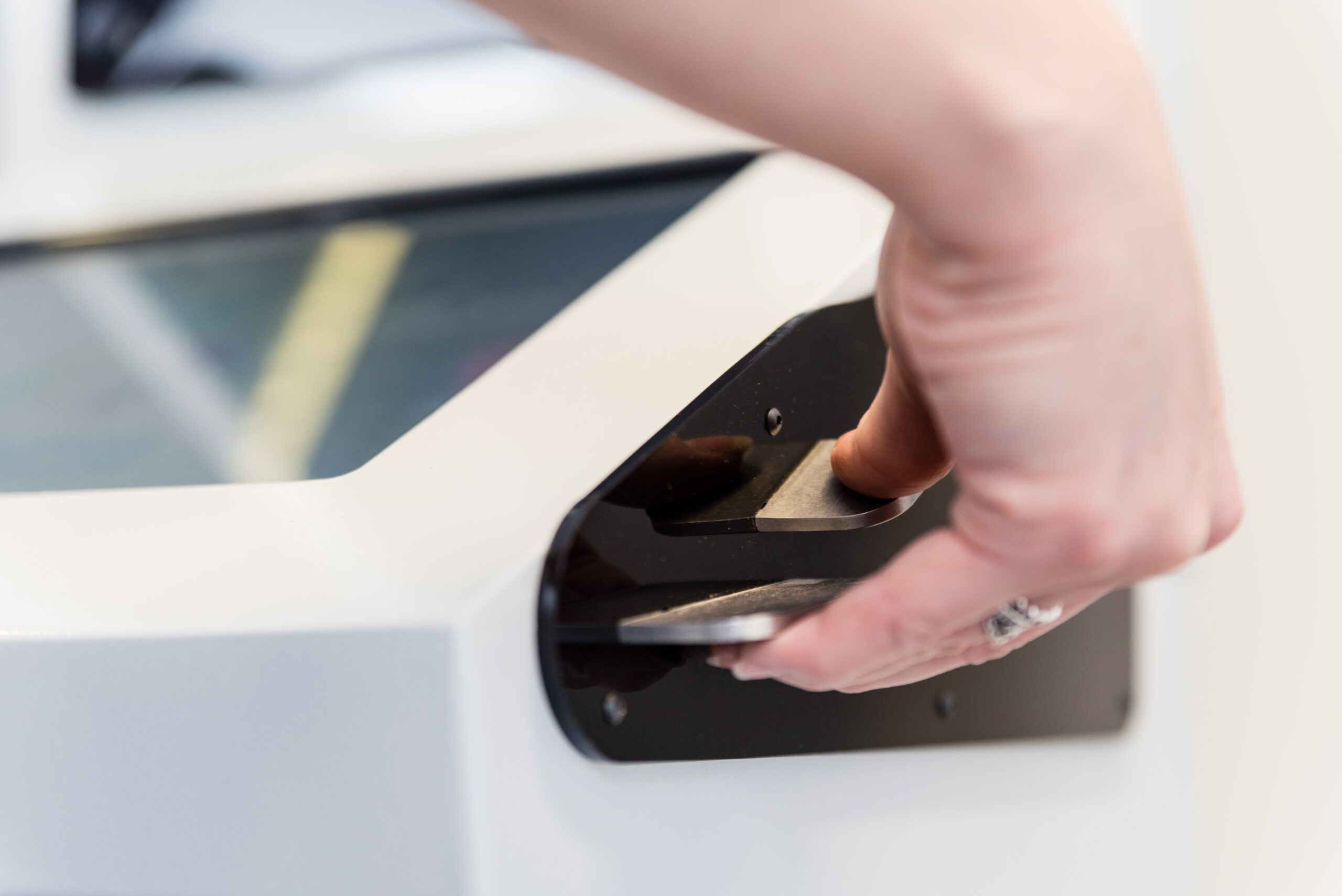
Tools such as the Interactive Health Kiosk provide organisations with an anonymised view of workforce health, combining objective health metrics like blood pressure, which can be an early indicator of stress, with lifestyle insights from questionnaires covering sleep, work–life balance, stress, activity and overall wellbeing.
4. Focused spend delivers stronger engagement
Employees disengage quickly from wellbeing initiatives that don’t feel relevant. Insight helps organisations tailor support to real needs rather than generic assumptions. When people see wellbeing initiatives that reflect their reality, engagement increases naturally.
This means your wellbeing budget isn’t wasted on low-uptake activity. Instead, it supports targeted interventions that employees actually use and benefit from.
5. Insight makes wellbeing ROI clearer and more credible
Measuring wellbeing ROI is notoriously difficult when strategies lack focus. Insight provides a baseline. It clarifies:
This makes impact easier to track over time, not just in financial terms, but in energy, behaviour, culture and sustainability.
Wellbeing budgets work best when guided by insight
The most effective organisations are no longer asking, 'What wellbeing initiative should we offer next?'
They’re asking, 'What does our insight tell us about where our wellbeing budget will make the biggest difference?'
Because the truth is simple: