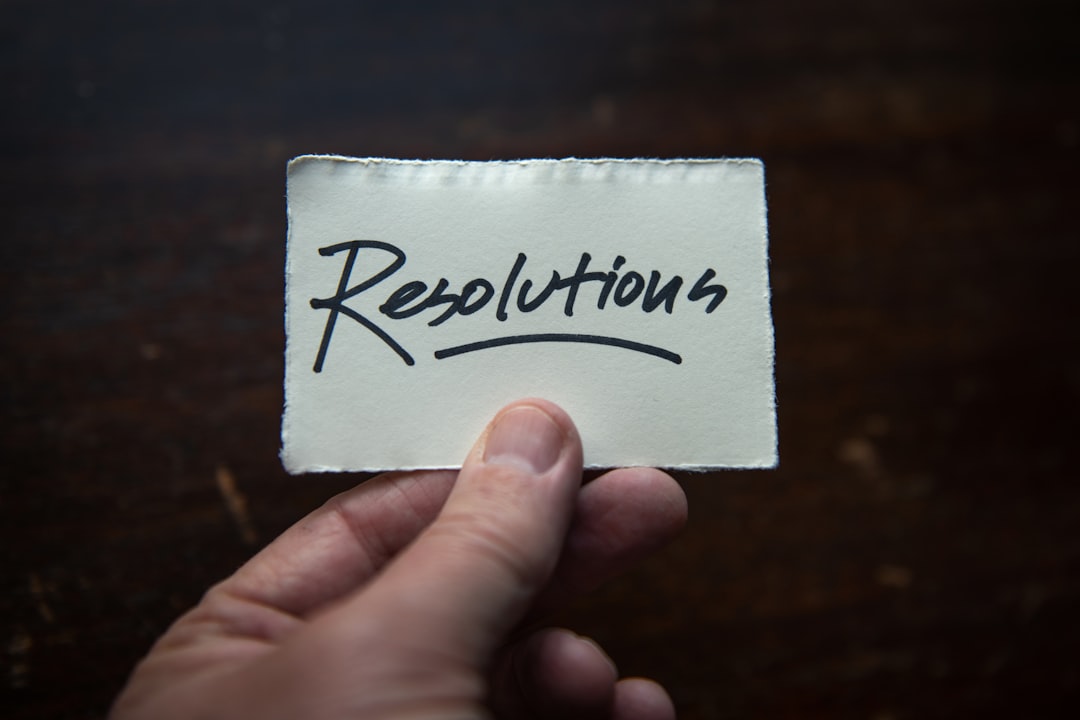
As a new year approaches, many employees start reflecting on how they can make positive changes both at work and in life.
Psychologists call this the fresh start effect, a natural psychological reset that boosts motivation, optimism, and the desire to improve. January offers the ideal moment to rethink routines, set meaningful goals, and build healthier habits. For organisations, it is a powerful opportunity to harness that renewed energy and champion proactive employee wellbeing as 2026 begins.
The Science Behind the Fresh Start Effect
The fresh start effect was first identified by behavioural scientists at the Wharton School, who found that people are more likely to take action on their goals following meaningful temporal landmarks such as the start of a week, month, or year. These moments create a mental separation between our past and future selves, helping us leave behind unhelpful habits and embrace new ones.
In a workplace context, this means January is a prime window to launch wellbeing initiatives or burnout prevention programmes. Employees are already in a reflective mindset, thinking about what they want from the year ahead. Introducing purposeful wellbeing activities during this time aligns with their natural motivation and increases engagement and participation.
Why January Matters for Workplace Wellbeing
For HR and wellbeing leaders, timing can be the difference between engagement and indifference. After the rush of the year-end, employees return in January ready to reset, which makes it the perfect time to introduce or refresh wellbeing strategies.
Here is why the start of the year is such a powerful moment for change:
Launching wellbeing initiatives in January ensures you are riding the wave of motivation rather than trying to create it later in the year when stress and fatigue tend to build.
Burnout Is Rising and Prevention Cannot Wait
According to recent research, 9 in 10 employees have experienced high or extreme levels of pressure or stress in the past year, with burnout now a leading cause of absenteeism and reduced productivity. The cost to businesses is not only financial but cultural, as engagement and morale decline when people feel depleted.
The start of a new year provides a crucial opportunity to act before burnout takes hold. By investing early in proactive strategies that build resilience, purpose, and balance, organisations can shift from firefighting fatigue to fostering sustainable performance.
How HR Leaders Can Leverage the Fresh Start Effect
To make the most of this natural motivational window, consider these simple strategies when planning your wellbeing calendar for 2026:
Consistency and timing are key. Wellbeing initiatives introduced when motivation is high have a much greater chance of becoming embedded habits.
January energy may fade, but the habits and culture you build then can last all year. By aligning your wellbeing strategy with the fresh start effect, you will help employees start 2026 feeling energised, engaged, and resilient, not burnt out by February.
A new year brings new beginnings. Make this one the moment your organisation transforms motivation into meaningful, lasting wellbeing.
Turning Motivation into Meaningful Change
Our Workplace Burnout Prevention Series helps teams do exactly that. Spanning January to March, the three interconnected webinars guide employees through key areas proven to reduce burnout risk and boost workplace wellbeing:
By combining psychology with practical workplace strategies, the series helps organisations turn January energy into lasting cultural change.