How to Improve Work and Life Balance in a Connected World
Achieving a healthy work and life balance has become one of the biggest challenges in today’s always-on, digitally connected world. While technology has made work more flexible and accessible, it has also blurred the boundaries between our professional and personal lives.
For many people, the working day no longer has a clear start or end. Emails, messages and notifications follow us everywhere, making it harder to fully switch off. Over time, this can take a toll on your overall health and your ability to maintain a healthy work and life balance, leaving you feeling constantly 'on' and mentally drained.
The Reality Behind the Always-On Culture
The challenge of work and life balance isn’t just a feeling, it’s backed by global data.
According to Gallup’s State of the Global Workplace Report 2026, 40% of employees report experiencing high levels of stress on a daily basis, while only 20% feel truly engaged at work. Even more telling is that 56% of people are classed as struggling with their overall wellbeing.
What’s more, levels of stress, anger and sadness remain higher than pre-pandemic levels, pointing to a deeper, more sustained challenge in how we work and live today.

The Hidden Impact of Being Always Connected
In a connected world, it’s easy to underestimate how much time we spend online. Checking emails in the evening, scrolling through social media or responding to messages outside of working hours can quickly become the norm.
However, this constant connectivity can negatively affect your work and life balance, leading to:
When there is no clear separation between work and personal time, it becomes harder for the brain to rest and recover.
Why Work and Life Balance Matters for Your Health
Maintaining a strong work and life balance is essential for both mental and physical wellbeing. It’s not just about having more free time, it’s about creating the space needed to recharge, reset and perform at your best.
A healthy work and life balance is essential not just for wellbeing, but for long-term productivity, performance and preventing burnout.
When your work and life balance is supported, you’re more likely to experience:
Without balance, even small daily pressures can start to feel overwhelming.
Simple Ways to Improve Work and Life Balance
The good news is that improving your work and life balance doesn’t require a complete lifestyle change. Small, intentional habits can make a significant difference over time.
- 1Set clear boundaries
Create a defined end to your working day. Avoid checking emails or messages once you’ve logged off to help your mind switch gears. - 2Manage your screen time
Be more conscious of how and when you use your devices. Reducing unnecessary screen time can help restore your work and life balance. - 3Protect your focus
Limit distractions during the day by turning off non-essential notifications. This improves productivity and reduces the need to work beyond hours. - 4Prioritise rest and recovery
Good sleep is essential for maintaining a healthy work and life balance. Reducing screen exposure in the evening can help improve sleep quality.
Digital Habits and Work and Life Balance
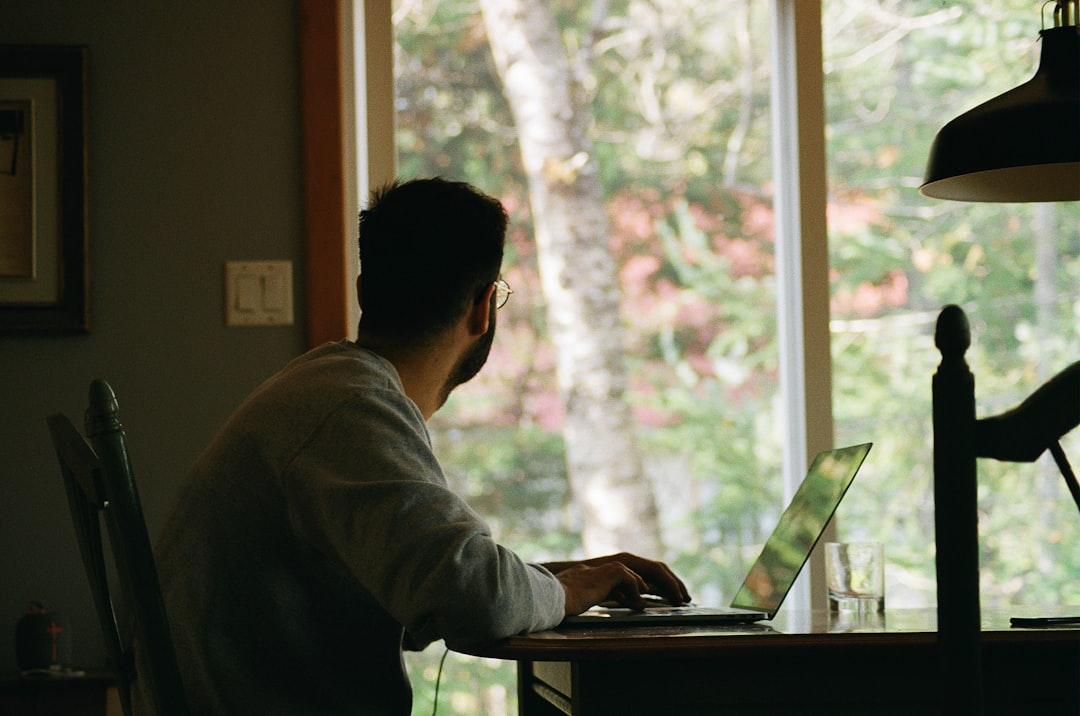
One of the biggest influences on work and life balance today is how we use technology. Without boundaries, devices can easily take over both work and personal time.
Taking regular breaks from screens and creating moments of disconnection can help restore balance, improve focus and reduce stress. Even small changes, like stepping away from your phone during meals or limiting evening screen time, can have a noticeable impact.
Creating a Sustainable Work and Life Balance
Improving your work-life balance doesn’t mean completely disconnecting from technology; it means learning how to use it in a way that supports your wellbeing, rather than drains it.
The reality is, most people already know they should switch off more. The challenge is knowing how to do it in a realistic and sustainable way.
Our Digital Detox webinar is designed to help your team do exactly that. In this practical session, employees will learn simple digital wellbeing strategies to improve focus, support performance and create a more sustainable work-life rhythm.